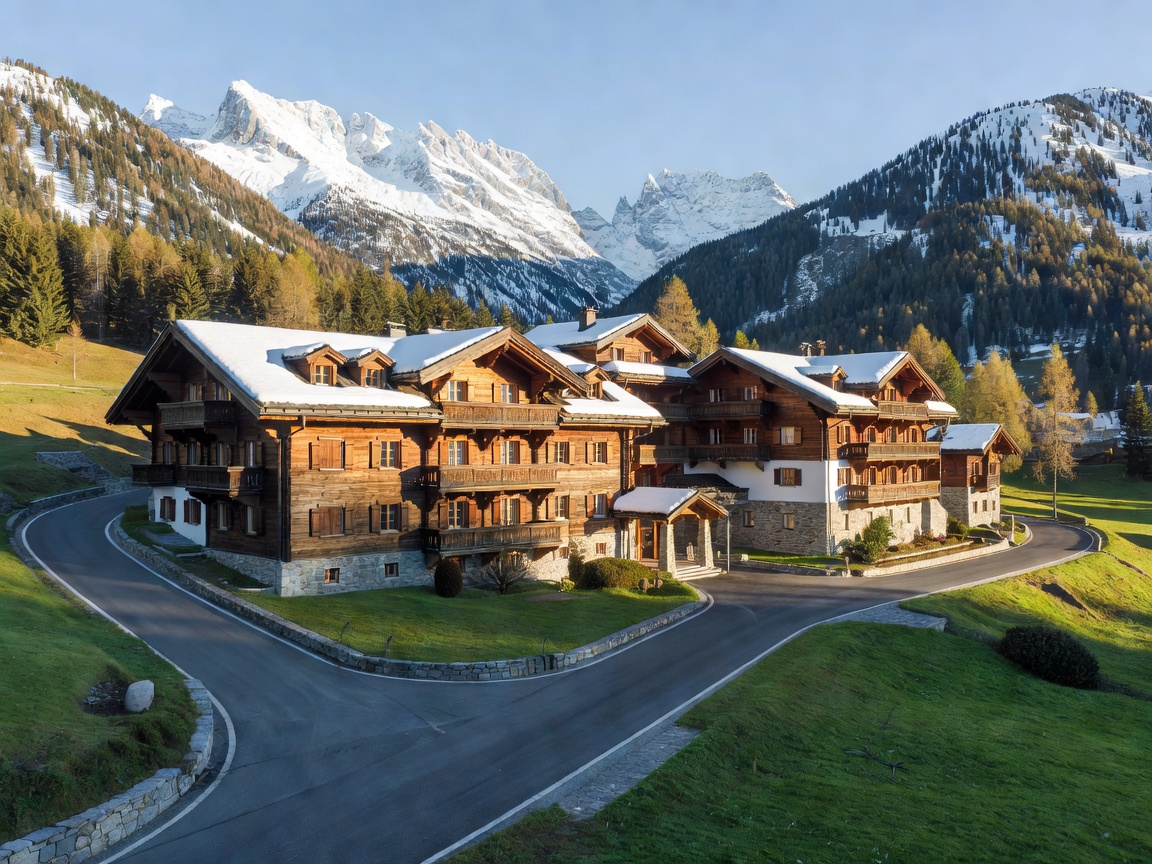
A hotel in the mountains can shorten the first morning’s drive and keep a scenic road within reach. It can also add steep access roads, tight turning space, exposed weather and more involved parking. Treat the property, the approach and the route as one decision.
Start with the final kilometres
Map the approach from a main road to the hotel entrance, not just the broad region. Ask the property for current arrival instructions and whether the final access road is paved, narrow, steep or shared with pedestrians. These are selection questions, not assumptions about any specific hotel. A short approach can still include a sharp gradient or a tight turn.
Check vehicle dimensions against the route and the parking layout. Low ground clearance, a long front overhang and a wide body can change what feels straightforward. If the route description is unclear, request written directions and confirm whether there is a suitable point to pause before the entrance. Avoid relying on a map pin as the only source of access information.
Parking is a category to verify
“Parking available” does not describe the surface, security, space, access hours or whether a reservation is needed. Ask whether the arrangement is covered, enclosed, outdoors or off-site, and whether staff need to move vehicles. Do not assume that a hotel has a private garage or a particular security feature. Get the current details directly from the property and retain its response with your booking information.
Compare convenience with exposure. Covered parking may reduce exposure to precipitation and sun, while a simple outdoor space may offer easier access. Neither category is automatically the better choice. Consider lighting, gate procedures, overnight access and the walk between parking and reception. Keep valuables out of view and follow your insurer’s guidance.
Match the route to the conditions
Mountain routes involve changing elevation and may have gradients, narrow sections, tunnels or weather exposure. A pass is a high route across mountainous terrain; it may be subject to seasonal closure or restrictions. Check official road and weather information close to departure. Do not treat a scenic road as a performance venue. Follow local speed limits, allow room for other traffic and stop only where it is safe and permitted.
Build a route with a practical alternative. An alternate valley road or lower-elevation overnight can be useful if weather, a closure or fatigue changes the plan. Do not assume that a route is open because it appeared on an old itinerary. Ask the hotel which official sources are relevant locally, then check those sources on the day.
Arrival timing, luggage and season
Arrive with daylight in reserve where the approach is unfamiliar. This makes signs, entrances and parking layouts easier to read. Confirm check-in hours, the procedure for a late arrival and where to wait if the entrance is busy. If carrying several bags, ask where luggage can be unloaded and whether the route from parking includes steps, a slope or a long walk.
Season changes both the drive and the hotel’s operating context. Snow, rain, reduced daylight and temperature can affect road choice and vehicle preparation. Summer can bring more visitors and slower access on popular routes. Check tyre and equipment requirements that apply to your vehicle and the countries on your itinerary. Local rules take precedence over a general packing list.
Compare the base, not just the view
A village hotel may make dining and services accessible on foot, but could involve busier streets or tighter parking. A rural resort may simplify a quiet arrival yet sit farther from fuel, food and alternative routes. A pass-side stay can reduce backtracking when roads are open, while increasing dependence on local conditions. Compare the whole operating day: arrival, parking, meal options, next-morning departure and a fallback plan.
For a short stay, favour a location that limits unnecessary transfers. For a longer stay, consider whether non-driving activities and local services remain convenient if weather interrupts the road plan. No one hotel category suits every vehicle or itinerary.
Alpine stay checklist
- Confirm the final approach, gradients, surface and any access restrictions.
- Ask for current parking type, dimensions, access hours and reservation terms.
- Check hotel arrival procedures, late check-in and luggage handling.
- Review official road, weather and seasonal closure information before departure.
- Plan fuel, rest stops and a legal alternative route.
- Keep the daily distance conservative and adapt to fatigue or weather.
Good for
Mountain-first itineraries
Travellers who want a mountain base, accept variable access and are prepared to confirm parking and seasonal details before booking.
What to know
Access is property-specific
Do not infer a garage, secure parking, open pass or easy approach from a photograph or general destination description. Verify each point directly and check official sources.