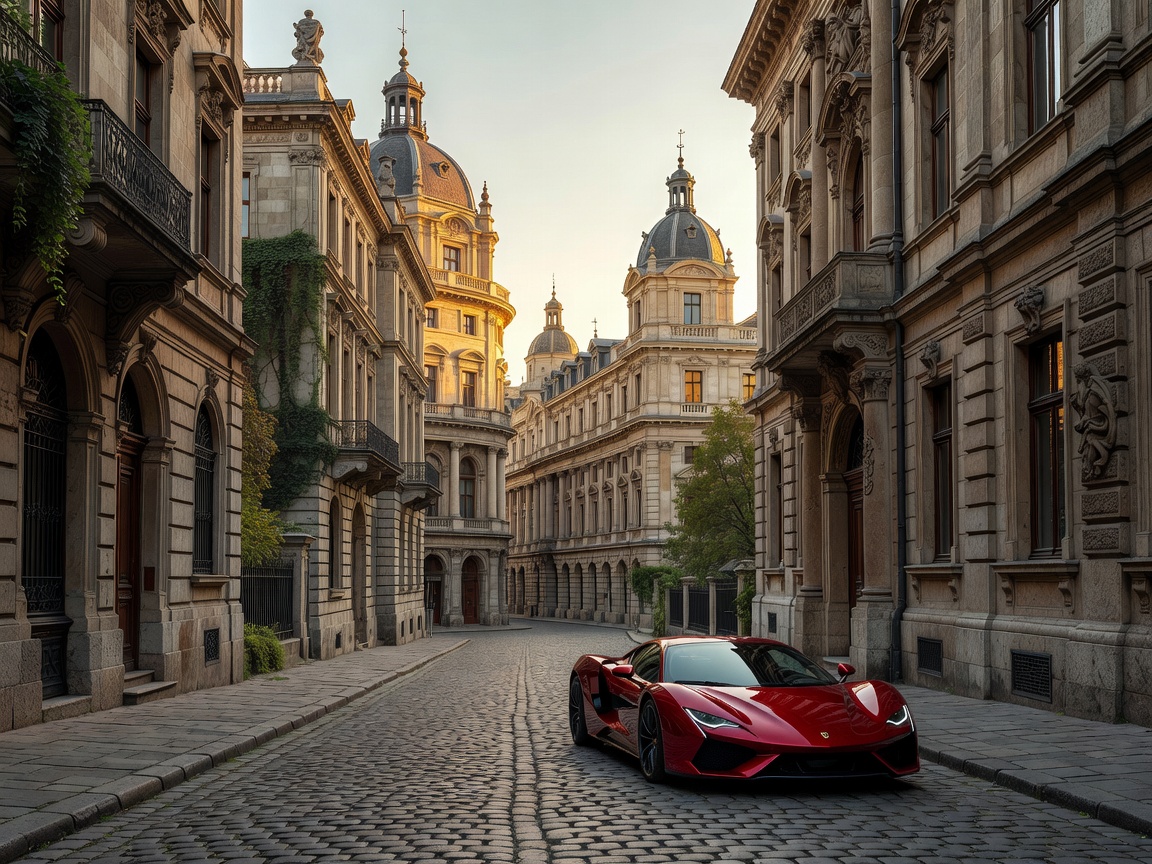
A grand tour can connect historic centres, countryside and coast. The itinerary works best when each hotel supports the next day rather than forcing a long transfer at the start or end of every stop. Distances are only one input. Arrival times, city restrictions, rest and parking shape the usable day.
Three ways to shape the itinerary
A driving-focused itinerary puts the route experience first. It may use rural or edge-of-town bases to make scenic roads easier to reach. The trade-off is more transfers to central attractions, dining or cultural sites. Check whether the extra driving each day suits the pace you want.
A hotel-focused itinerary gives more time to each overnight property and its surroundings. It can work well when the stay itself is a main part of the trip. It may mean fewer destinations, or longer transfers between them. Confirm that a longer stay has useful alternatives if weather or road conditions change.
A balanced grand-tour itinerary gives the drive a clear purpose but leaves time to arrive, park, rest and explore. It is not a fixed formula. It is a practical compromise: fewer rushed check-ins, manageable daily travel and enough flexibility to revise a day without losing the whole plan.
Sequence the nights, not just the pins
Choose a starting point, a final point and the places between them. Then place overnight stops where they reduce unnecessary backtracking. A city hotel can be a strong first or final night if it simplifies onward travel, but vehicle access may involve limited streets, paid zones or a separate parking arrangement. Verify the current rules with the hotel and relevant local authority.
Compare hotel locations by the entire arrival sequence: approach road, drop-off point, parking, luggage movement and walking distance to the room. A property at the edge of a historic centre may be easier to reach than one in the middle, but that depends on local restrictions. Obtain instructions in writing and plan to follow legal access routes.
Use realistic driving time
Map estimates do not account for every stop, meal, fuel break, congestion or roadwork. Treat any routing estimate as a planning input, not a promise. Avoid building consecutive long days. Include rest periods, daylight and time to reach the hotel without rushing. If you expect a full day in a city, avoid pairing it with an ambitious transfer.
Consider drive time and visit time separately. A route can be engaging, but the driver still needs breaks and attention. Share driving only if every driver is authorised and appropriately insured. Do not use an itinerary to justify speeding, unsafe overtaking or driving when tired. Adjust the plan when conditions or energy levels change.
Luggage and vehicle logistics
Multi-stop travel often involves repeated packing and unloading. Choose a manageable luggage volume and confirm how it fits the vehicle without obstructing visibility or access to safety equipment. Keep important items accessible. If you need to leave luggage in a vehicle during a stop, consider whether that is appropriate and follow insurer guidance. Avoid displaying valuables.
Ask each hotel about its current parking arrangements, dimensions, access times, security procedures and reservation requirements. Do not assume a garage, covered space or on-site parking is included. If a property uses off-site parking, establish the route between it and the entrance, plus the process for arriving with bags. Carry the confirmation and contact details for the relevant location.
Build alternatives into a city-to-city plan
Keep one flexible night or a viable alternate stop where practical. A closure, severe weather, fatigue or a delayed arrival can make the original sequence impractical. Review cancellation and amendment terms before booking. If an accommodation change is needed, identify nearby towns or a different route corridor rather than relying on a single last-minute option.
Check current border, toll, emissions-zone and road-access requirements for each country and city on the route. Rules can differ and change. Official government and road-authority information should take precedence over a general guide. Confirm that vehicle documents, insurance and any required equipment are in order before departure.
Grand-tour planning checklist
- Set a route rhythm before choosing every overnight stop.
- Separate driving time from time allocated to visits and meals.
- Confirm each hotel’s parking type, access and luggage procedure.
- Check city restrictions, toll requirements and current official guidance.
- Leave time for breaks, rest and an early or delayed arrival.
- Review cancellation terms and identify an alternative overnight plan.
Good for
Connected, measured travel
Drivers who want several destinations but prefer deliberate pacing, verified logistics and room to change plans.
What to know
More stops mean more coordination
Each change of hotel adds parking, luggage and arrival tasks. Fewer well-placed nights can make a route easier to enjoy and safer to manage.